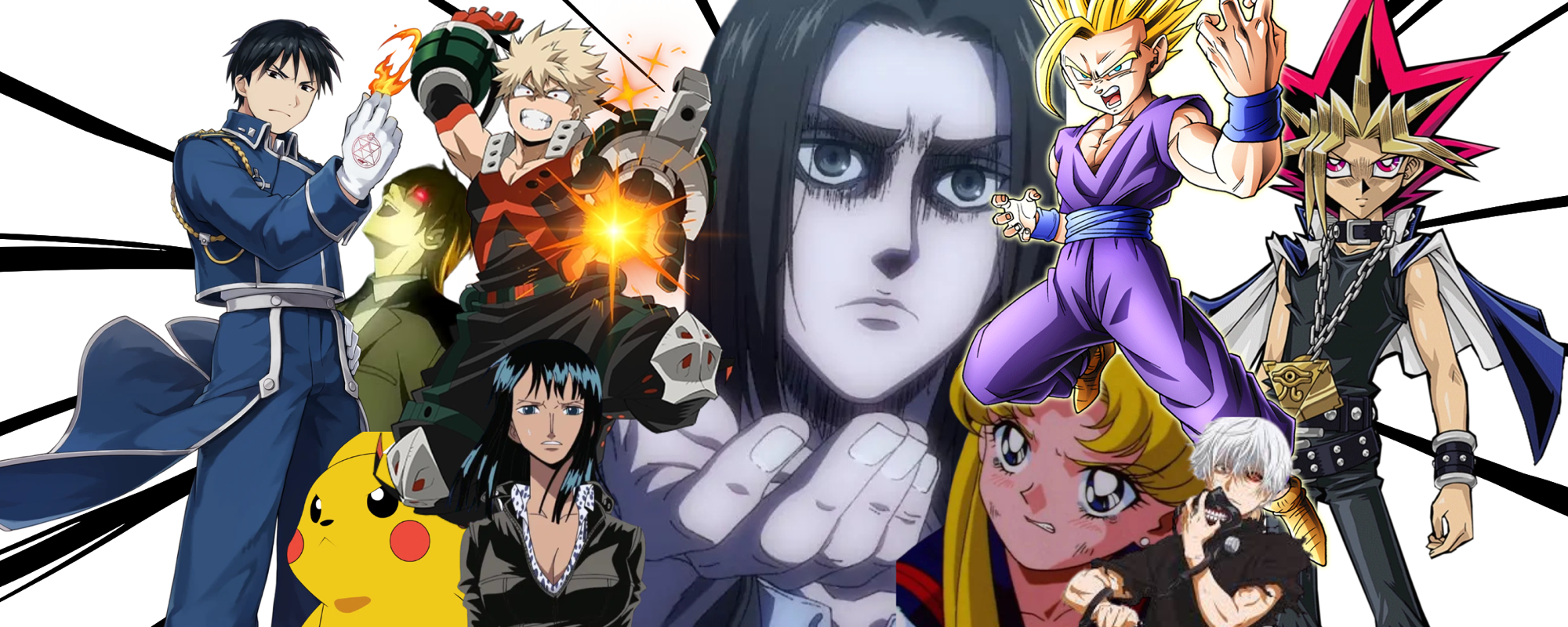
Anime has always understood what is often softened or sometimes skipped entirely in other creative media: strength has limits. Pressures build. Emotional wounds can solidify into physical ones. Love can become unendurable. Eventually, your body and mind may revolt, not as a form of entertainment, but as a form of self-preservation in order to survive.
They are collapses of emotion that are earned, those instances in which a character loses control, or emotionally unravels due to the fact that the weight of holding everything together was never truly viable from the start.
In honor of that, the following are 26 anime crashouts, from 26 different series that have transformed how viewers perceive pain, endurance, and emotional release.
26. Yami Yugi (Yu-Gi-Oh!)
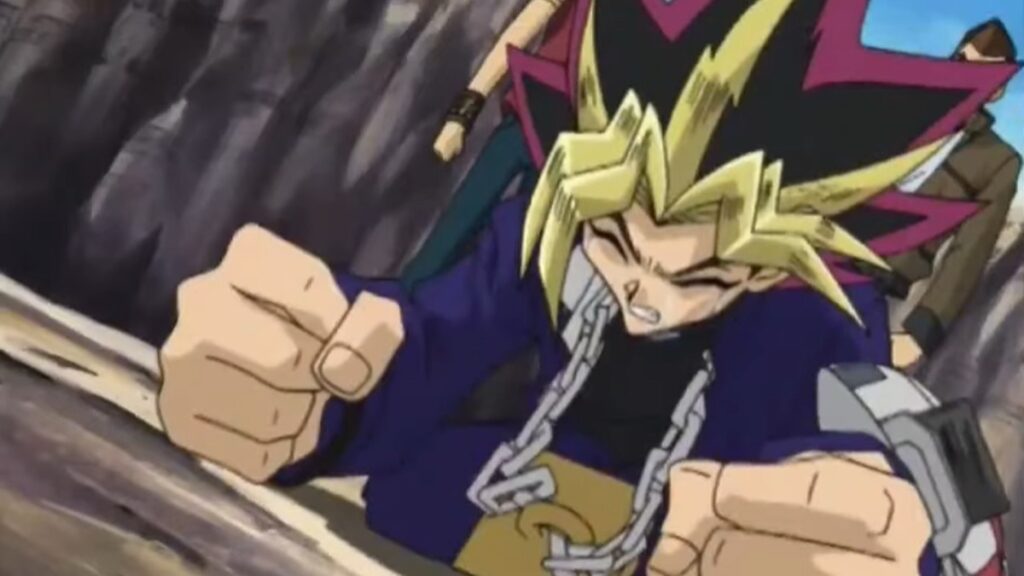
The most devastating moment of the Pharaoh’s crashout is when he comes to realize that his ego is what led to his downfall. When everything goes wrong, he has to stand there and watch as Yugi Muto comes in and takes the fall for him. And when he yells out, “It was supposed to be me!” It’s painful. It’s a moment that the Pharaoh realized, far too late in the game, that his own actions had cost him something he cannot get back.
25. Denji (Chainsaw Man)
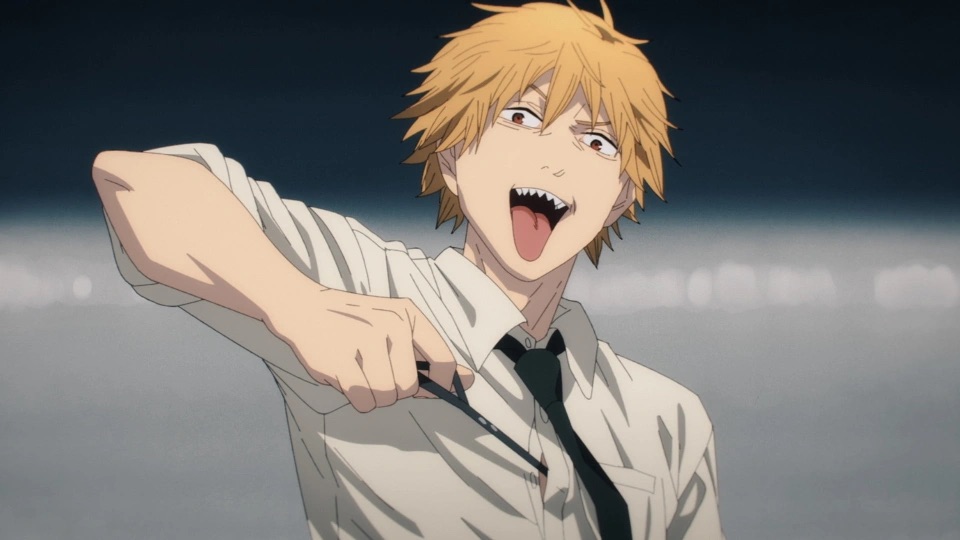
Denji’s crashouts are violent and ugly; years of poverty and manipulation strip Denji of his dignity and slowly erode what little pride he has left until the day he finally breaks down, and his emotions erupt as violence. Denji’s emotional outbursts are raw because they lack dignity. The moment Denji finally reaches the point at which he can no longer find reason to continue with any sense of purpose is a desperate cry for self-determination. At one time, it was about fighting for a cause or for others; now it is about fighting to just survive in a world that demands everything from you, but provides very little in return. Denji’s raw anger is a true reaction to a world that demands everything from you and gives nearly nothing.
24. Okarun (Dandadan)
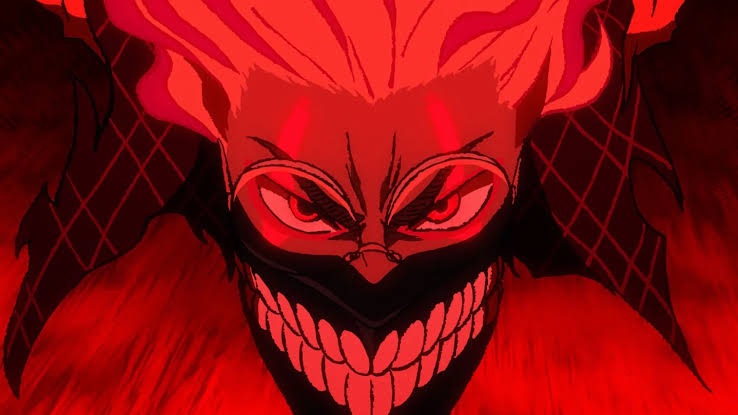
It isn’t confidence that drives Okarun to crash out. It’s protection. When Jiji falls under the Evil Eye, Okarun isn’t fighting a monster. He’s fighting his friend. When the situation gets too intense, and Jiji hits Momo, he leaps in and says, “Don’t hit Momo.” This isn’t a plea. This isn’t a panicked warning. This is a certified threat. One that doesn’t have to be repeated. The nervous stuttering kid goes away. What remains is one lovestruck young man ready to fight for the girl he loves. Focused. Serious. This isn’t a display of strength. This is a display of what will happen if Momo gets hurt. This is what makes the crashout impactful. It’s quiet. It’s controlled. It feels realistic.
23. Kujo Jotaro (JoJo’s Bizarre Adventure)
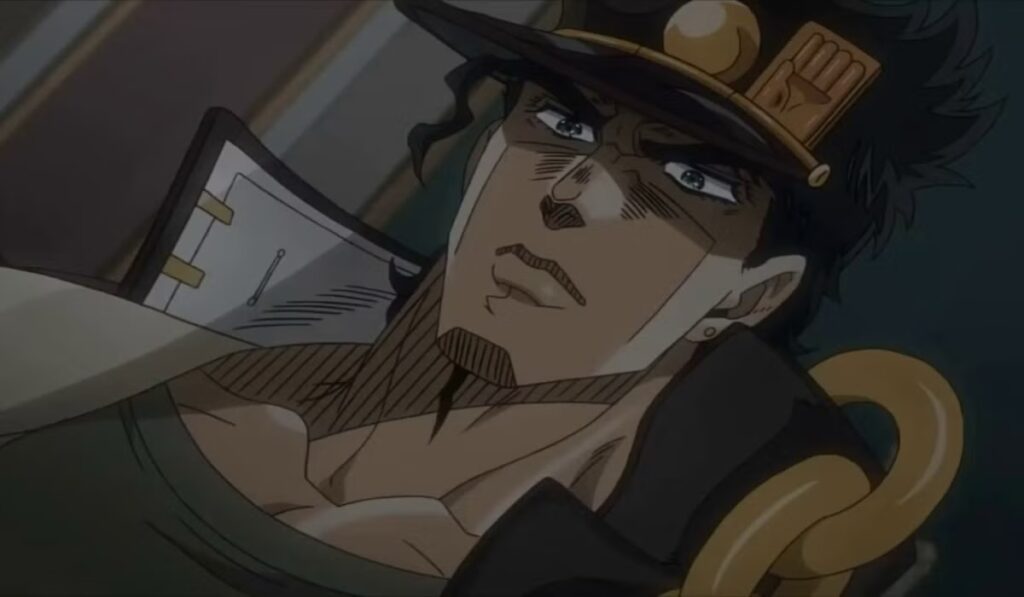
Jotaro’s crashout is different because it is neither loud nor chaotic. It is quiet. It is controlled. Most of the time, Jotaro is calm. He barely reacts. What makes the Steely Dan scene so effective is the realization of how much he has been bottling up. How much he has been forced to humiliate himself just to protect his grandfather. So he doesn’t just explode. Not right away. Not until he finally lets loose with the list of all the things he has done for Dan. You realize then that Jotaro hasn’t just been taking it. He has been counting it. Measuring it. Weighing it. Determining just how he is going to make Dan pay for it. And when he finally lets Star Platinum go, the punches don’t just feel strong, they feel earned. That’s the scariest version of Jotaro. Not angry. Just done.
22. Kurosaki Ichigo (Bleach)
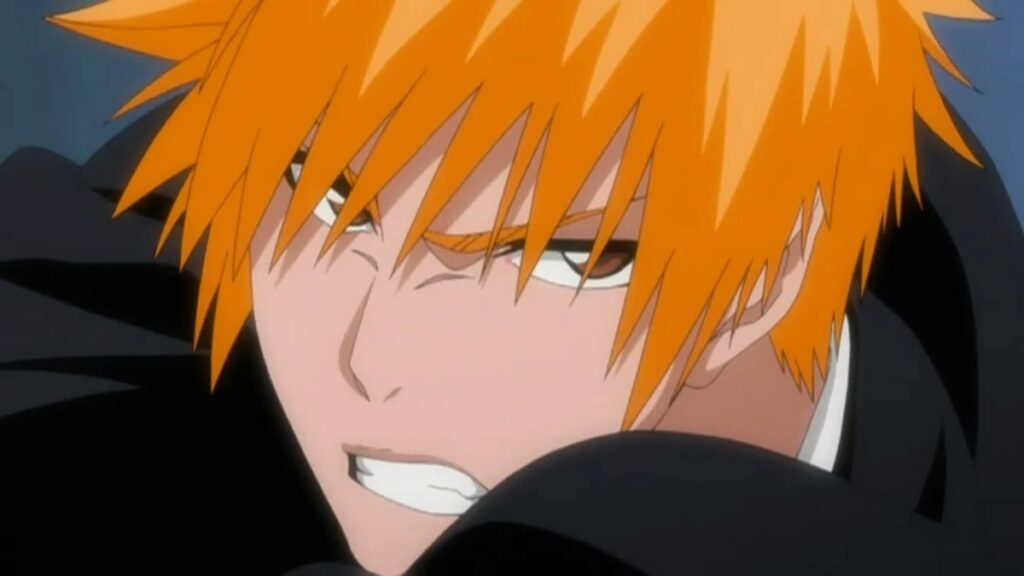
Ichigo’s hollow transformation is terrifying because it’s born from a fear of failure. When Ichigo is finally confronted by something beyond his power to defeat, Ulquiorra, the oppressive weight of the responsibility to be the protector for everyone becomes too much to bear. Ichigo isn’t just fighting Ulquiorra, but the horror of having Orihime slip away from him. With no room to hesitate, survival is the only option. The only way forward is for Ichigo himself to step aside and let something more brutal take control: his hollow. This crash-out cements and shows exactly why Bleach is a part of the “Big Three.”
21. Thorfinn (Vinland Saga)
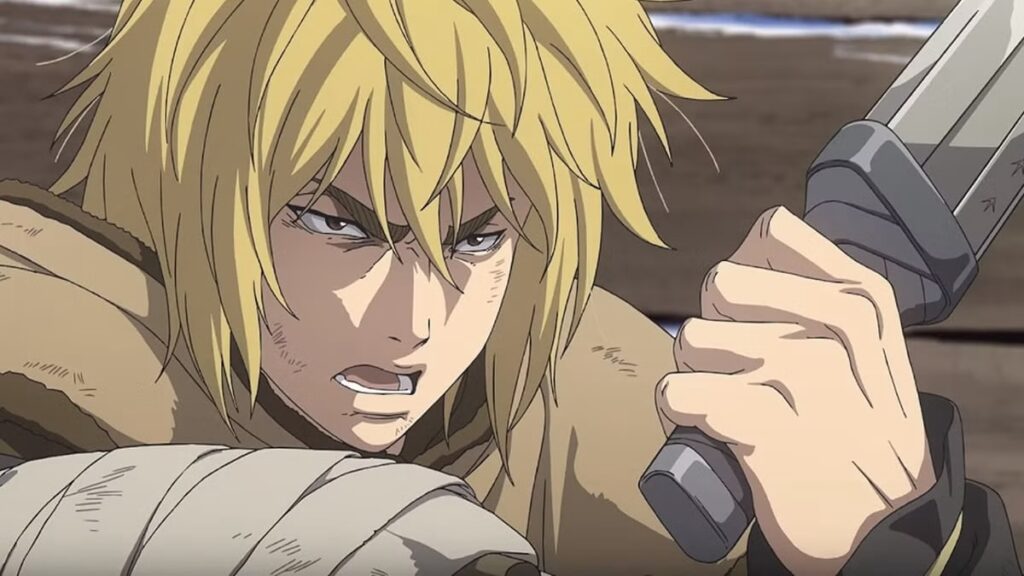
As soon as Thorfinn witnesses his father’s dishonorable murder, the warm world of stories and lessons of peace and fairness that he knew disappears; it is instantly replaced with a blood-curdling promise of revenge and death. He does not lose simply his father; he loses his youth, his innocence, and the values his father taught him. Living and training in harsh and unforgiving environments, on blood-soaked battlefields, all to get closer to the man that he vowed to take vengeance on. This moment transformed a young boy into an empty sword, which was only sharpened by his single, intense desire for revenge.
20. Kamado Tanjiro (Demon Slayer)
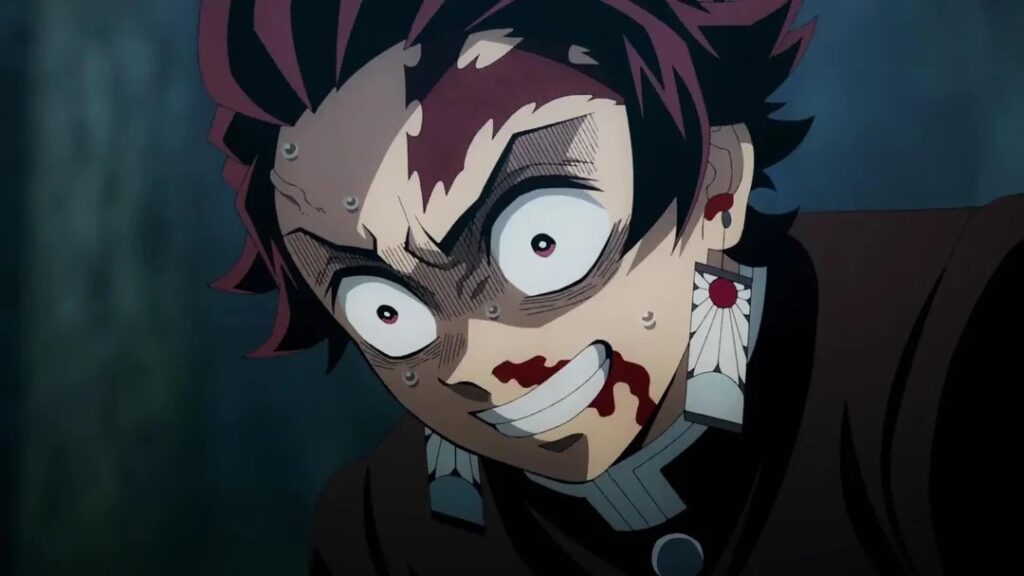
What makes Tanjiro’s battle with Daki captivating is that it is the exact moment he loses the kind, empathetic spirit he has exhibited throughout the entire series. Tanjiro leads by showing compassion; he grieves those he defeats and always tries to see the pain people suffered that led to their actions. However, seeing innocent people repeatedly discarded like trash frustrates and exhausts him to the point that something breaks. It isn’t just an explosion of anger, it’s the point at which he reaches the end of his rope. Even the gentlest of souls have their breaking points, and kindness, when pushed too far, can collapse.
19. Nara Shikamaru (Naruto Shippuden)
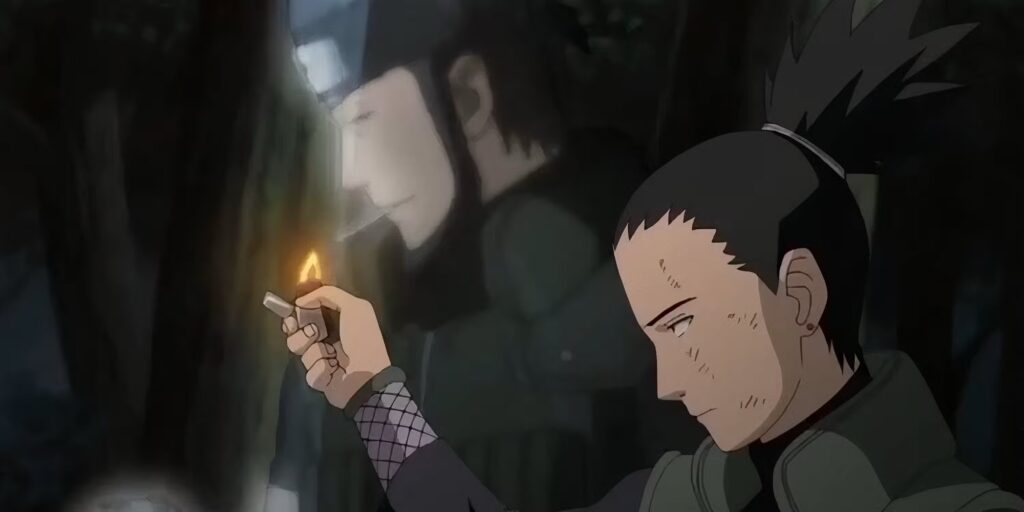
Shikamaru’s crashout after the death of his sensei, Asuma Sarutobi, is one of the most carefully constructed acts of cold-blooded revenge in anime. Not because of aura, but because it was personal. For a young man who viewed life as a “drag” and approached every problem with the fewest moves possible, Asuma’s death was the one variable he couldn’t solve, outthink, or undo. When he finally corners Hidan deep in the Nara clan forest, where no one will ever hear him scream, trapping him with meticulously planned shadow possession and burial. The moment he flicks Asuma’s lighter to bury Hidan alive forever is the sound of a person giving his grief a place to go.
18. Iwatani Naofumi (The Rising of the Shield Hero)
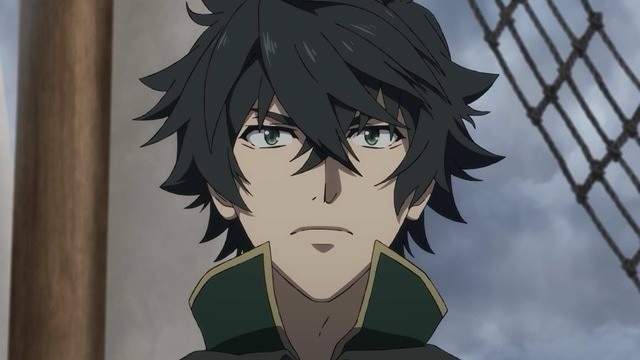
Naofumi’s crashout is not an explosion of violence or emotion; instead, it’s a totally reasonable emotional reaction to months of social isolation, false accusations, and betrayal. All of which ultimately leads to Naofumi’s realization that the world will continue to take everything he loves away from him as long as he allows it to happen. Naofumi does not undergo a typical “The Good Guy Went Bad” moment. Instead, the “Curse Series” is an emotionally charged event where you can fully sense the depth of Naofumi’s anger at having been pushed to the edge of desperation and blind rage. He fights differently because he views the world differently, he has no idea who he can trust, and he emerges differently than he did before. Everyone’s endurance has limits, and we see firsthand what happens when it truly breaks.
17. Pikachu (Pokémon Movie)
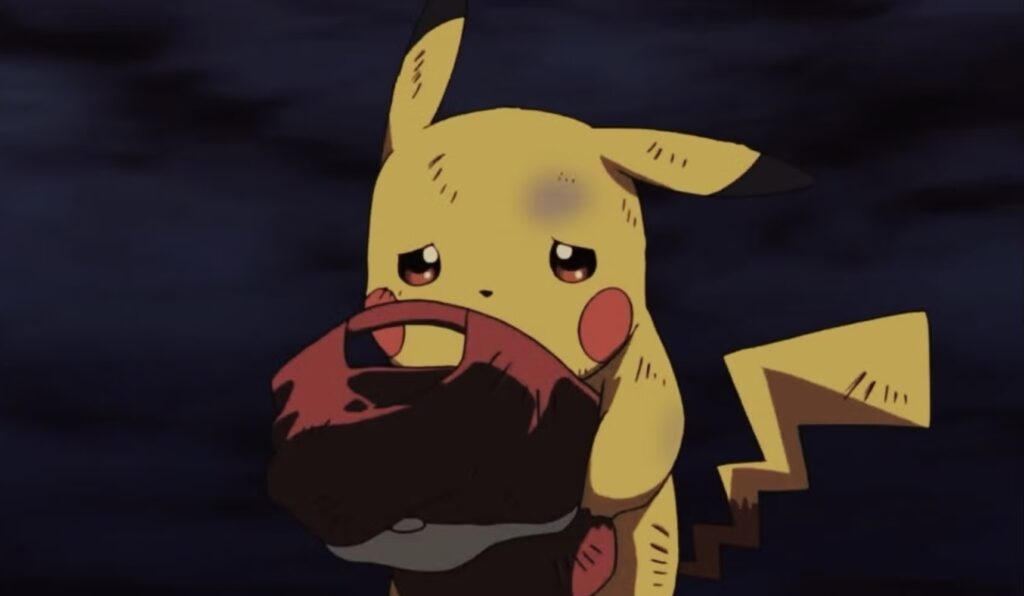
Pikachu sees his friend, Ash, turning to stone, and he cannot stop shocking him repeatedly with his electricity. It isn’t a strategy or an aggressive move; it’s an expression of denial, a denial born from a deep emotional pain that is so powerful it eliminates reason. Pikachu is not fighting to win a battle, but rather to undo the impossible. The type of crashout that, if stopped, would mean accepting that Ash would be gone forever. One of the most heart-wrenching moments in the Pokémon franchise has always been about being optimistic and resilient in the face of a devastating defeat.
16. Sakamoto Taro (Sakamoto Days)
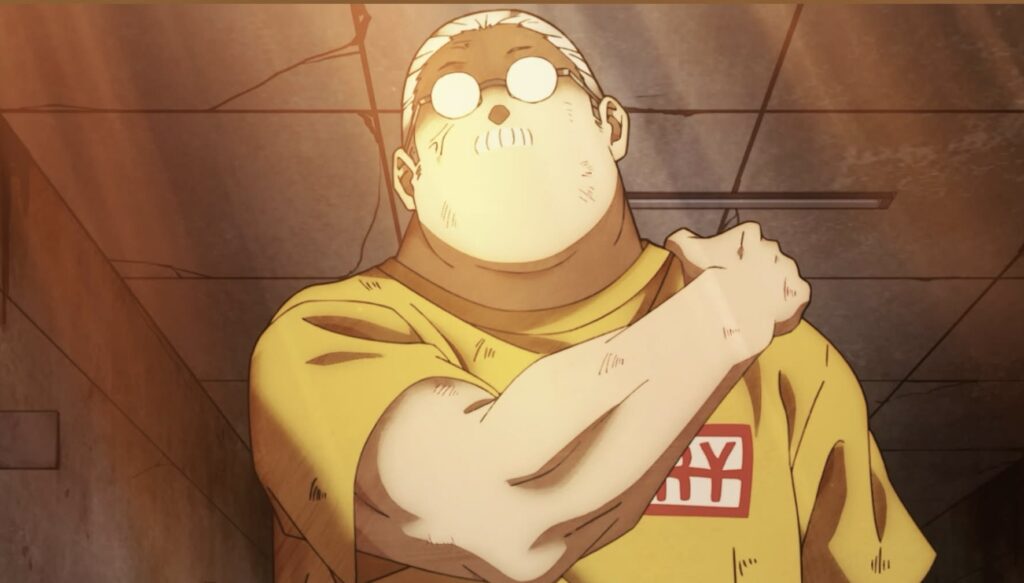
In his fight against Kanaguri, Sakamoto’s peaceful moral code as a family man fades away, replaced by an icy, pure assassin’s instincts. What makes this crashout so impressive is how effortlessly Sakamoto falls into his old ways of protecting those he has come to care about: his family, store employees, and his peaceful new life. The legendary hitman emerges again, beneath his quiet domestic calm. With no need to hold anything back, Sakamoto moves at incredible speeds and precision using non-lethal violence, reminding everyone why he was once the scariest man in the underworld.
15. Bakugo Katsuki (My Hero Academia)
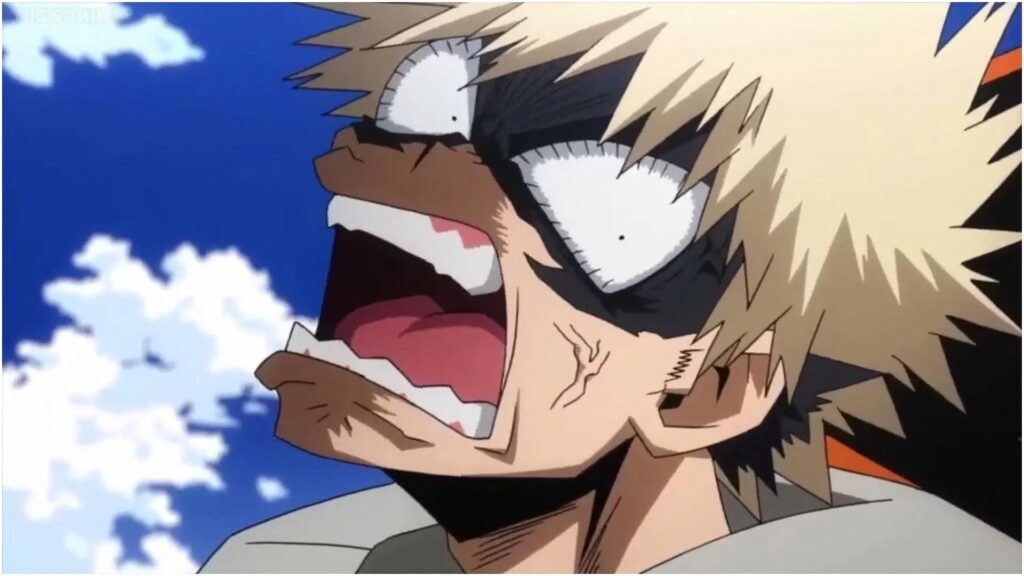
Bakugo is a certified crashout; one could easily fill this list with many of his moments. However, the biggest crashout for Bakugo was during his second fight with Deku at Ground Beta, a lifetime of rage and anger finally cracked wide open into shame. Feeling guilty over the fact that All Might retired due to Bakugo’s weakness, Bakugo does not simply go after Deku to win, but to express the pain of his perceived failure. His explosive outbursts are erratic; his voice breaks; and the fury of his anger quickly transitions to tears he has been unable to release since Kamino. This is not a heroic breakdown. It’s a kid who realizes that power cannot protect him from the overwhelming weight of remorse.
14. Asta (Black Clover)
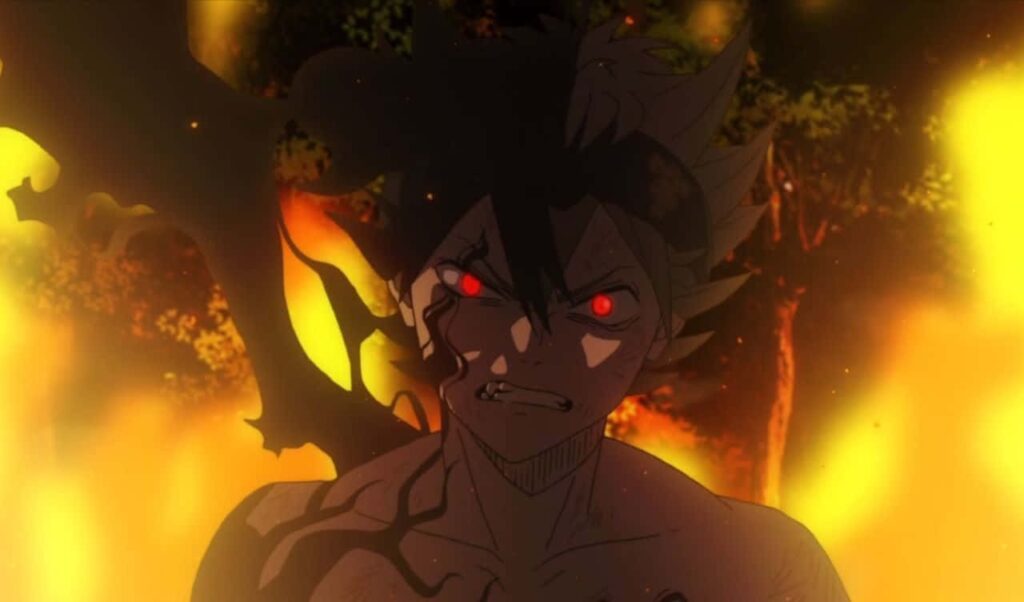
Asta’s decision to merge with the Devil, Liebe, during his battle with Dante Zogratis is not merely a Power-Up, but a turning point from which he cannot return. Asta is cornered; he has been greatly outpowered and is watching as his mentor, Yami Sukehiro, teeters on the brink of death. With those events unfolding before his eyes, Asta made a decision that would forever redefine him. He offers his arm to the Devil Liebe without hesitation, a decision based upon grim clarity and precision. For the first time, Asta’s enduring optimism begins to crack, and lifelong motto of “never give up” makes a darker shift to, “I will survive, no matter what it costs me.” It’s a crash-out fueled by responsibility rather than rage, and it lands hard because it forces us to confront an uncomfortable truth: sometimes hope isn’t enough.
13. Kageyama Shigeo “Mob” (Mob Psycho 100)
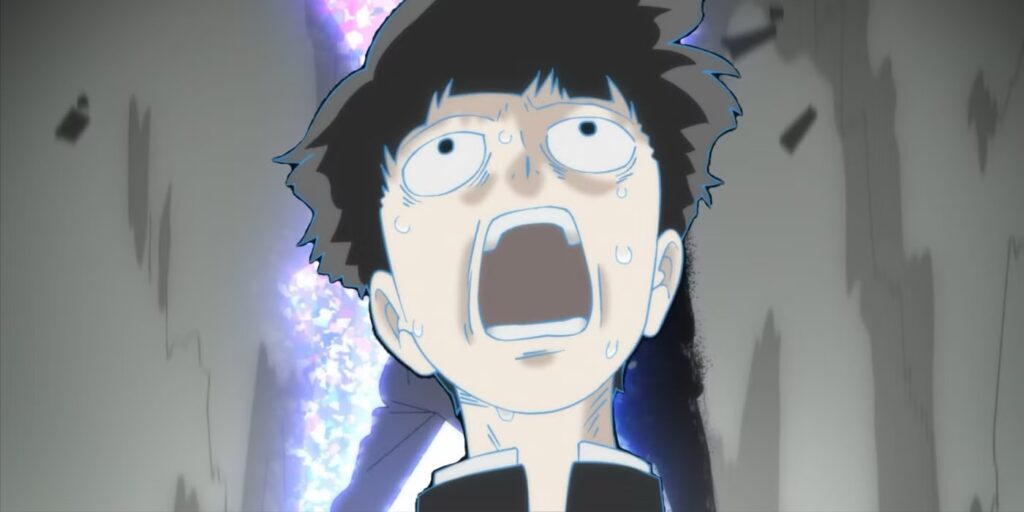
Mob crashout happens because he spends most of his life trying to avoid being the problem. He keeps himself small. Calm. Polite. He convinces himself that if he just remains that way, if he doesn’t let his emotions get too big, everything will remain manageable and all will be okay. But that’s not really how emotions work. Emotions don’t disappear just because you want to pretend they are not there. And when Mob finally reaches his limit, it’s not like he’s having some kind of power-up moment. It’s messy. Overwhelming. Like everything he’s swallowed over the course of his life is coming back up at once. You don’t think to yourself, “Wow, he’s strong,” when you watch him do what he’s doing. You think to yourself, “Wow, he’s been carrying too much.”
12. Tsukino Usagi (Sailor Moon)
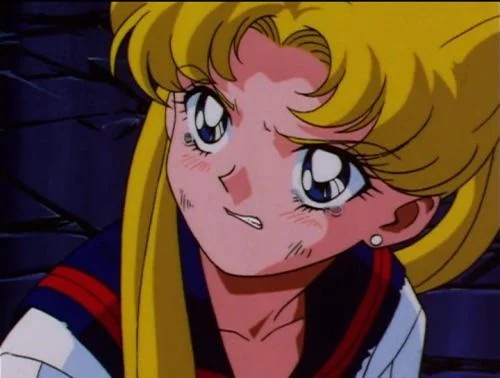
Usagi’s crashouts stem from grief, particularly during the Dark Kingdom arc when she watches her fellow Sailor Guardians fall one by one. She does not harden herself during these moments. She cries openly. She wonders if she is strong enough. There are moments when she appears to be overwhelmed, when she feels that she cannot bear the weight of losing everyone. However, she still transforms. She still stands up. This is what makes her different from others. Her strength does not stem from her ability to shut off her feelings. It stems from her ability to love so deeply that even grief cannot stop her.
11. Yagami Light (Death Note)
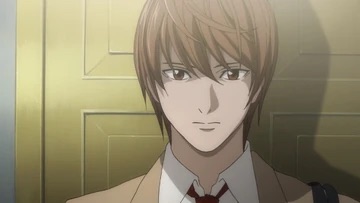
When Light finally crashes out, it is a psychotic free-fall from sanity to insanity that was hidden under an almost god-like facade. We saw glimpses of Light’s masks slipping in front of L; however, with Near, Light goes full “mask-off,” causing a complete crash-out. It isn’t brilliance but delusion and obsession. The unsettling and terrifying nature of someone’s ego, who has constructed their whole existence on unshakeable, righteous moral convictions, is fully revealed, resulting in one of the most memorable rants in anime history.
10. Kaneki Ken (Tokyo Ghoul)
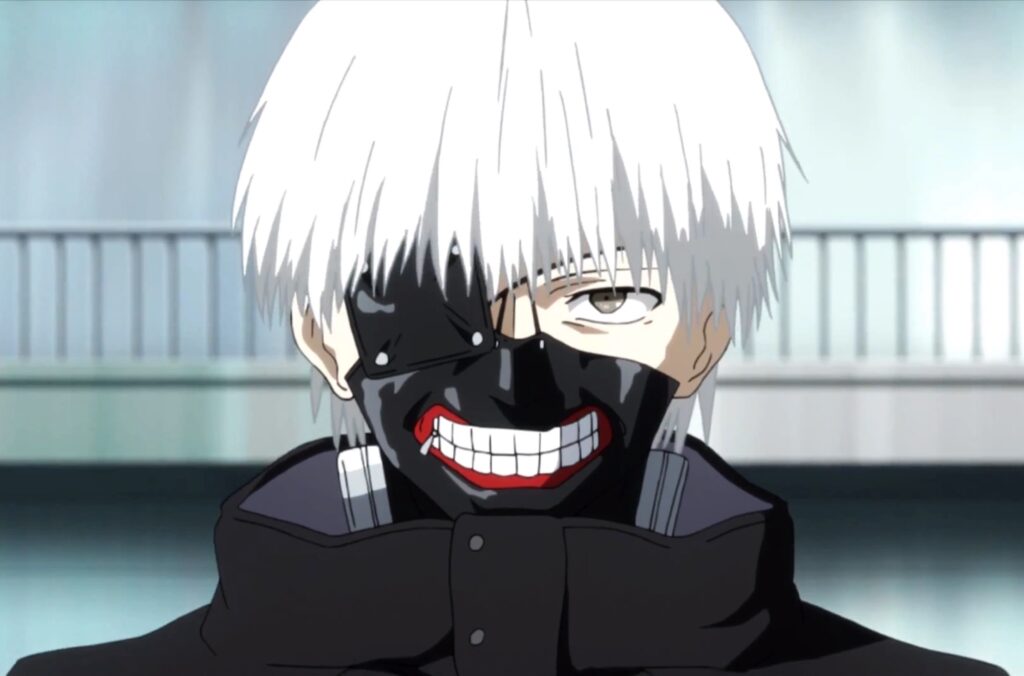
Kaneki’s breakdown isn’t an explosive moment. It’s a slow process while he sits there in the chair, still being tortured by Jason. So he starts counting backwards just to keep his grip on reality. Because he has to hold onto something. And you can just feel him slipping away. And when his hair turns white and he starts laughing hysterically. It’s not because he’s developed a love for torture. It’s because something inside of him has to change in order to cope with the situation he’s in. It’s not loud. It’s quiet. It’s calm. And that’s just so unnerving. The Kaneki who just wanted to have friends and a chance at a normal life? He’s never the same after that.
9. Sung Jinwoo (Solo Leveling)
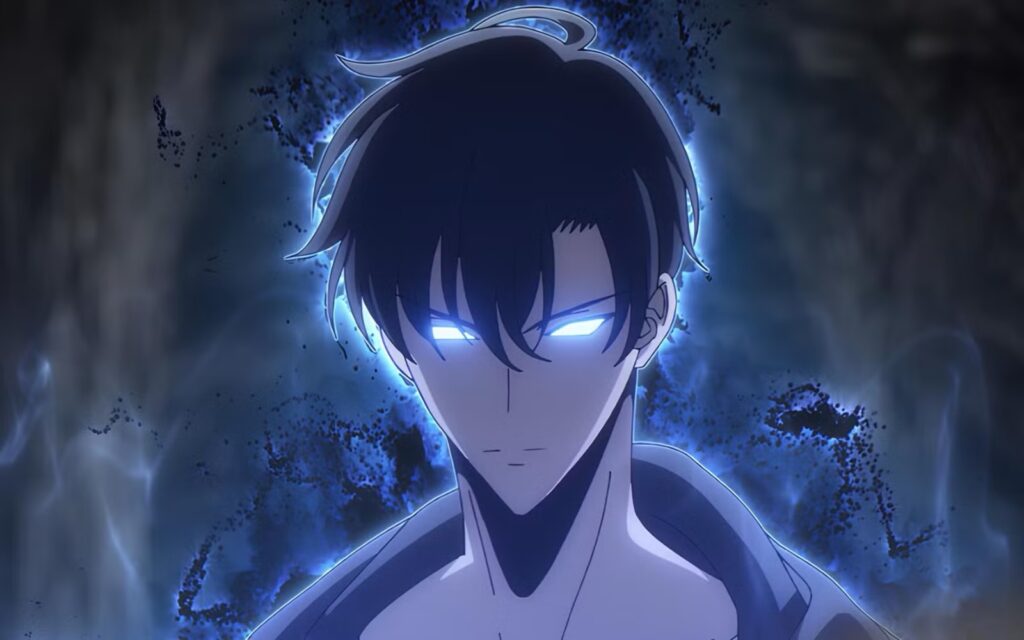
Jinwoo’s crashout really begins in that dungeon when the other hunters see that he’s the easiest one to sacrifice. They see the weakest one in the room and quickly make their decision. They lock him in to let the boss finish him off. Treating is his life, something to check on the checklist of their plan. And that’s when something in him forever shifts. When Jinwoo walks out of the dungeon, he’s not confused, he’s not uncertain, and he’s not looking for explanations. He knows exactly what they tried to do and how they plan to kill him. So he does something about it. He kills the men who tried to kill him. Not because he enjoys it, but because he finally gets how the “system” works. In that world, if you are weak, that’s when you become a target. And he’s done being the one that everyone else thinks they can take down.
8. Itadori Yuji (Jujutsu Kaisen)
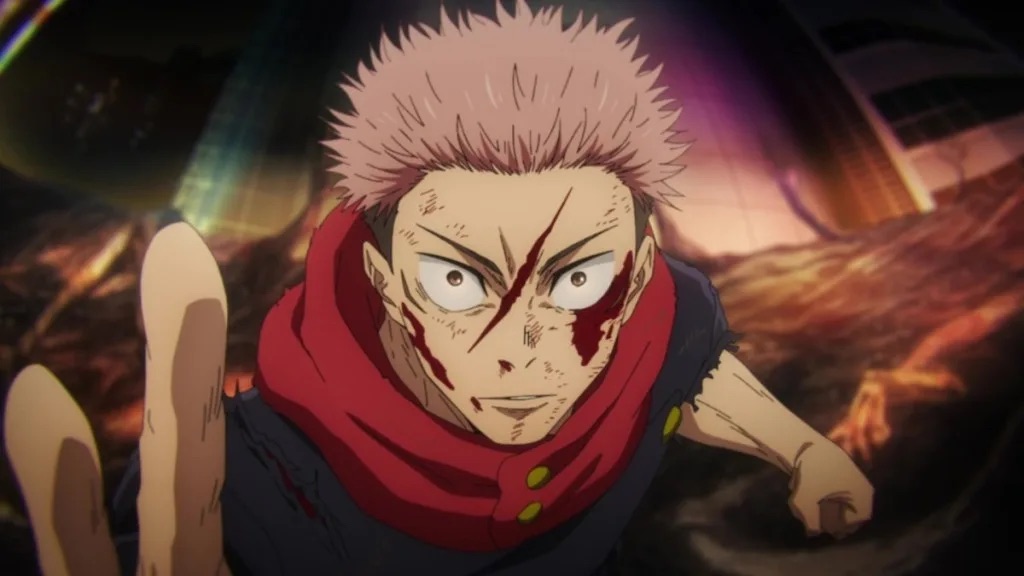
The reason Itadori’s crashout after Shibuya is painful to watch is because there is no release. Nothing explodes. No yelling occurs. Sukuna uses Itadori’s body to massacre innocent people, and Itadori is forced to simply stand there and watch it happen, unable to stop it from occurring. When it is finally over, Itadori doesn’t shout, lash out, or break anything. He simply shuts down. You see him realize that there’s no fixing what’s already been done. He is empty, and the emptiness will last far longer than any rage-fueled crashout could possibly last.
7. Gon Freecss (Hunter x Hunter)

Gon’s crashout is one of the hardest to watch. Gon doesn’t accept the fact that Kite is really dead. He just can’t. He has to believe there’s some way to make it all go back to normal again. And you can see the toll it takes on him. Finally, when he understands that Kite is really dead, something inside of him just gives out. It’s not just anger. It’s grief. It’s grief with no outlet. It’s despair. Gon throws away his future without a second thought. He throws away all the potential he could have had just to alleviate the pain. It’s not even about winning anymore. It’s about alleviating the pain.
6. Nico Robin (One Piece)
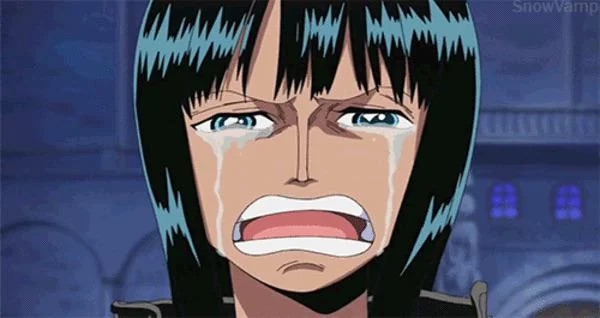
Robin had spent most of her life believing that the world would be a safer place without her in it. She only survived by running, by hiding, and by never allowing herself to really want anything. To want anything was to be attached to it, and to be attached to anything was to be in or put others in danger. But at Enies Lobby, something changes for her. When her fellow Strawhats show her she is their family, she accepts she can have something in her world. When she finally screams, “I want to live,”it is one of the most dramatic moments of the series. It isn’t a flashy moment, just a painfully honest moment.
5. Mizu (Blue Eye Samurai)

Mizu’s crashout during her fight against the Thousand Claw Army feels like the moment everything she’s been holding in finally rises to the surface and just explodes. All those years of rejection, living a lie, never knowing whether her mother or her husband betrayed her, it’s all just bubbling under the surface before the fight even begins. When she walks into this army by herself, it doesn’t feel like a reckless act at all. It feels like a person who has had enough of living a lie and who wants to fight for the truth. What makes this scene powerful is the fact that she doesn’t lose her head at all. She is just incredibly controlled. Every strike and hit she makes feels like she is letting go of something she has been holding in for years. The violence is incredibly personal.
4. Son Gohan (Dragon Ball Z)
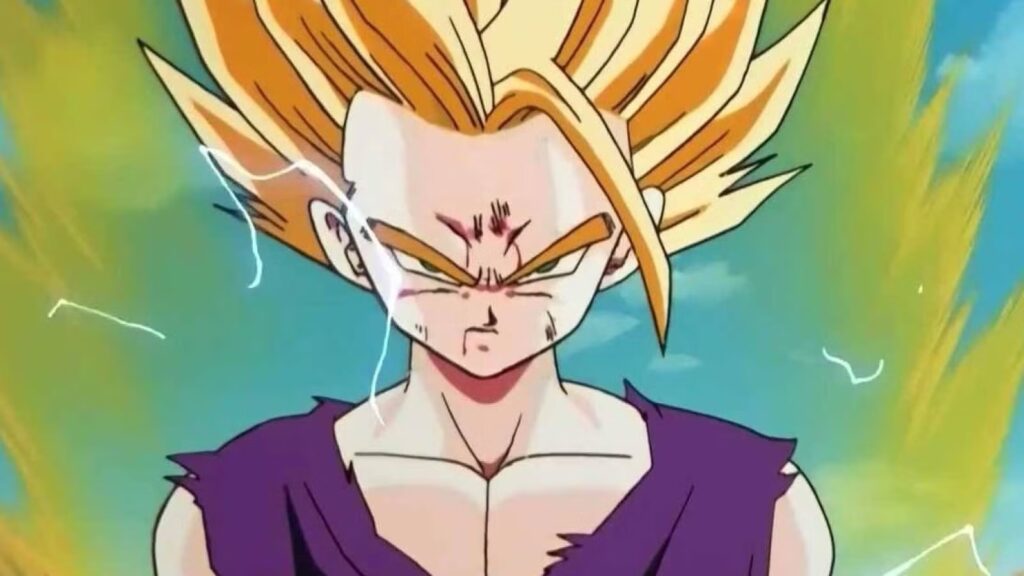
Gohan’s out in the Cell Games after being pushed to a point that no child should ever be pushed. Gohan never wanted to fight in the first place. For most of that fight, he begs Cell to stop, to realize that he doesn’t want to see what happens if he loses control. But then Android 16 gets destroyed in front of him, and you see the moment where something in him just breaks. The tears stop, the hesitation stops. His anger isn’t about ego or pride. It’s the moment where he realizes that being a kind kid isn’t going to save people. That’s when he transforms into Super Saiyan 2, but it’s not a moment of empowerment or anything like that. It’s the exact second a child realizes that being gentle will not save the people he loves. It’s not a victory. It’s a collapse.
3. Roy Mustang (Fullmetal Alchemist: Brotherhood)
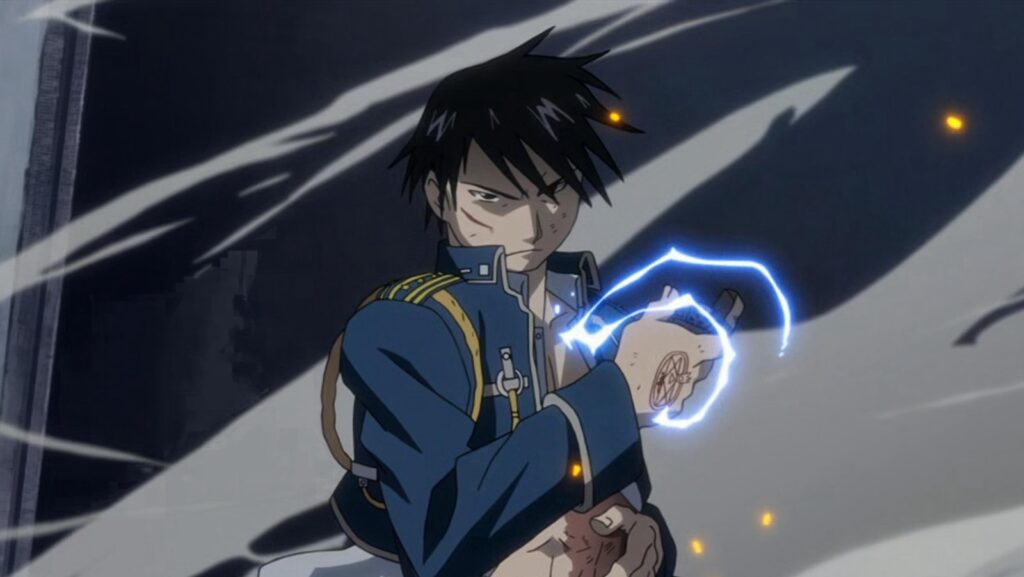
Mustang’s crashout really begins the moment he finally tracks down Envy for an answer in Hughes’ murder. He has to know what happened to his friend, Hughes. What starts out as a search for justice gradually evolves into something much darker and deeply personal. You can sense it building with every snap of Mustang’s fingers. It’s no longer about stopping the bad guy; it’s about making Envy suffer. And that’s why the scene is uncomfortable to watch. He’s not fighting; he’s punishing. And there’s almost a moment where it seems as though he might lose himself in that fire completely, had it not been for the people around him reminding him who he is.
2. Guts (Berserk)

Guts’ crashout in the Eclipse is not just raw rage. It is the gut-wrenching death of him as a human being from heartbreaking destruction. You can almost hear something inside him just break. One of the few people he trusted betrays him, he watches all he has created just fall to shreds before his eyes. When he finally realizes that he can’t save Casca, that he can’t reach her, everything changes. He doesn’t just scream; he severs his own arm with a jagged sword to free himself so he can keep fighting to try to reach Casca. Not because it’s heroic, not because it’s the right thing to do, but because he can’t stop. This is the exact moment that he decides that if the world he’s in is becoming a nightmare, then he will become one too.
1. Eren Yeager (Attack on Titan)
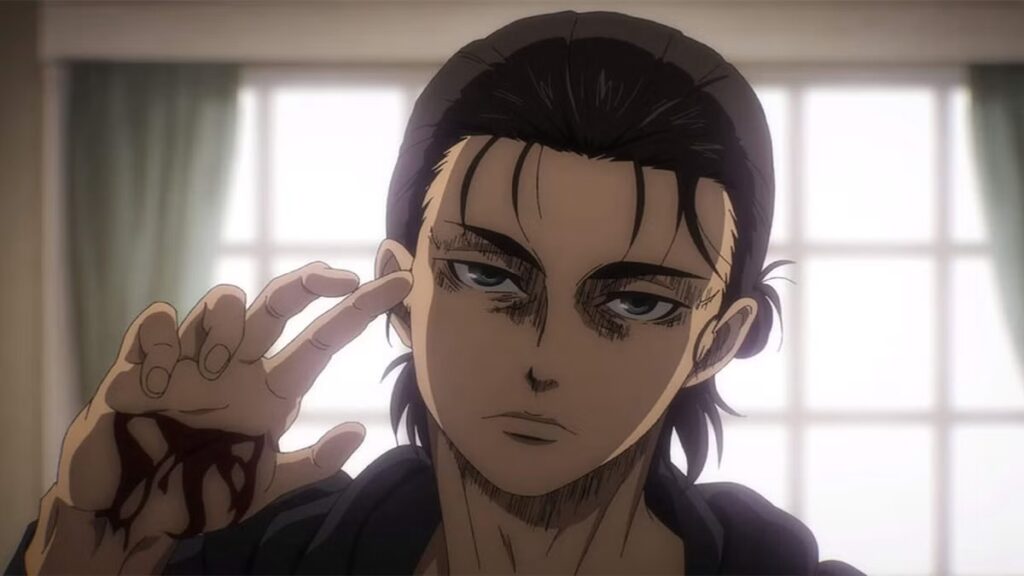
Eren’s crashout doesn’t just happen out of nowhere. It’s the result of an endless erosion. It’s the culmination of all the wars he’s lost, all the terrible truths he’s learned about his world. By the time he’s standing next to his half-brother, Zeke, he’s no longer the loud kid proudly yelling about freedom. He is quiet. He is calm. He is calculating. He lets Zeke think he’s on his side. He lets him think he’s listening. And then he goes to the Paths and tells him it was all about the Rumbling all along. No outrageous outburst. No shedding of tears. It’s unsettling because he doesn’t have an explosive outburst. He doesn’t lose control. He makes a choice. It’s not that he’s lost control of his emotions. It’s that he’s lost all his mercy.
These crashes aren’t about power-ups or aura. They’re about pressure reaching its limit.
They’re about what happens when something inside a person ultimately snaps or emotionally unravels. Sometimes this comes with a sound that’s thunderously loud. Sometimes it’s outright terrifying. Sometimes it’s so quiet you almost miss it if you’re not listening closely. And every single one of these moments forces you to realize one thing: everyone has a breaking point. No matter how powerful a person looks, no matter how much it seems like they can take, there is always a breaking point. When this point is passed, it isn’t always the villain who breaks; sometimes it is the hero.
What were your favorite crashout moments in anime? Let us know in the comments.